
New cases of dementia globally are projected to increase to 25 million by 2050.1 Patients may present to general practice years in advance with memory complaints, or simply at risk due to modifiable factors such as cardiovascular disease or hearing loss.2 Recognising cognitive change early is crucial to give GPs the opportunity to understand what is happening and offer patients appropriate assessment.3,4
In this course on diagnosing mild cognitive impairment, you’ll learn from GP and specialist experts how to introduce brain-health conversations for at-risk patients and address contributing factors. Upon noticing change, you’ll also learn about appropriate assessment tools combined with clinical context and referral recommendations that effectively reach diagnosis of mild cognitive impairment.
Included, are case-based role plays from our experts demonstrating taking a cognitive history, excluding other causes of cognitive concern, objective assessment of cognition, discussion about biomarker testing and referral.
References:
- Vella AS, Visontay R, Lipnicki DM, et al. Global Incidence of All-Cause Dementia: A Meta-Analysis. JAMA Neurology. Published online October 12, 2026.
- Alexander KP, Damluji AA, Erqou S, et al. Cognitive Impairment and Frailty in Older Adults With Cardiovascular Disease: 2026 ACC Scientific Statement: A Report of the American College of Cardiology. Journal of the American College of Cardiology. Published online August 10, 2026.
- Yates M, Daly S, Long M, et al. Mild cognitive impairment and dementia: detection and diagnosis. Medicine Today. 2024;25(5):20-24.
- Frisoni GB, Hansson O, Nichols E, et al. New landscape of the diagnosis of Alzheimer's disease. The Lancet. 2025;406(10510):1389-1407.
Learning outcomes
Presenters
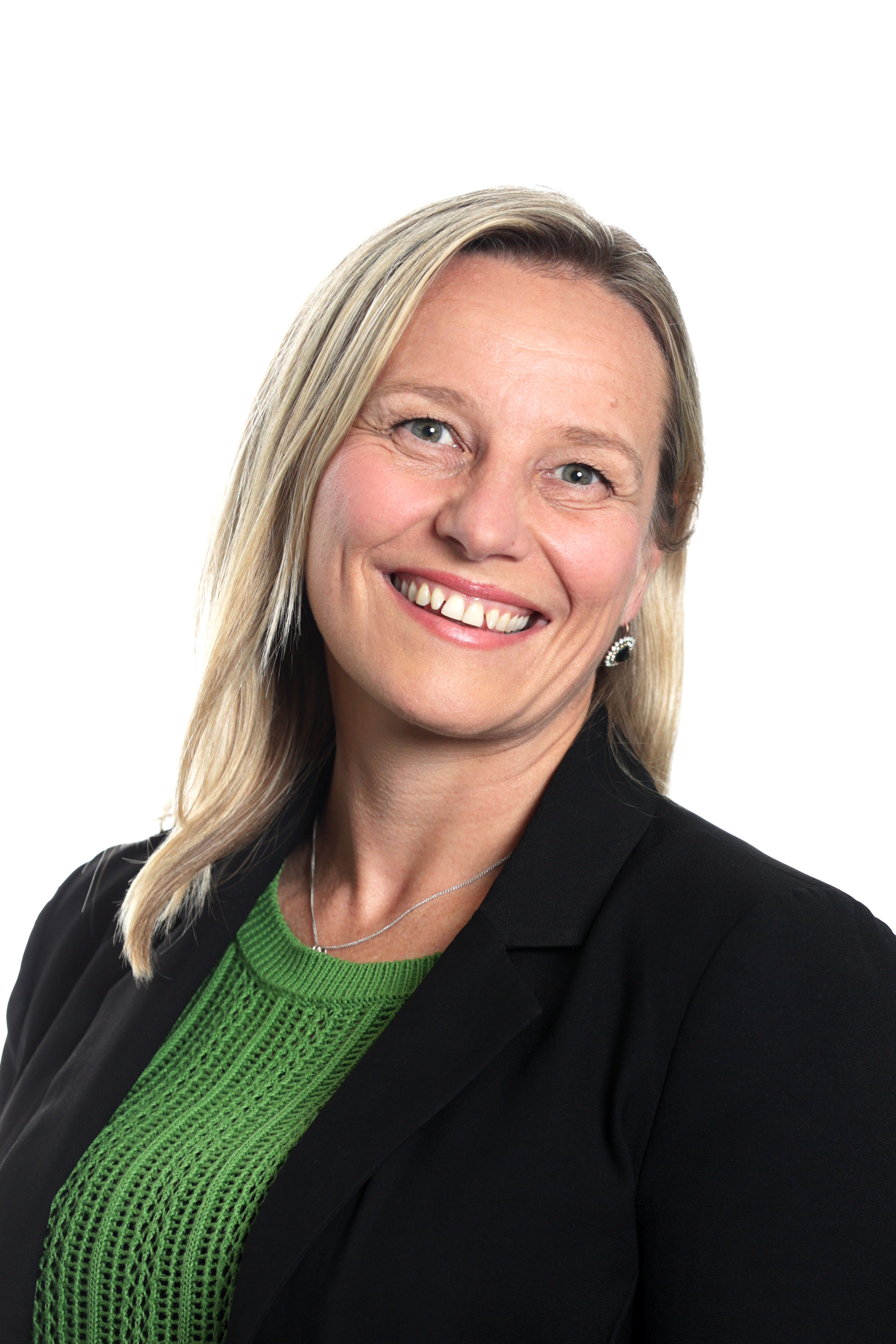
Dr Moore graduated from the University of Adelaide and completed her RACGP fellowship whist working as an Aviation Medical Officer in the RAAF. She has worked in urgent care and general practice in the UK and completed a Masters degree in dementia from the University of Tasmania in 2024. Dr Moore works as a medical educator and is also involved in dementia research through the University of Melbourne.
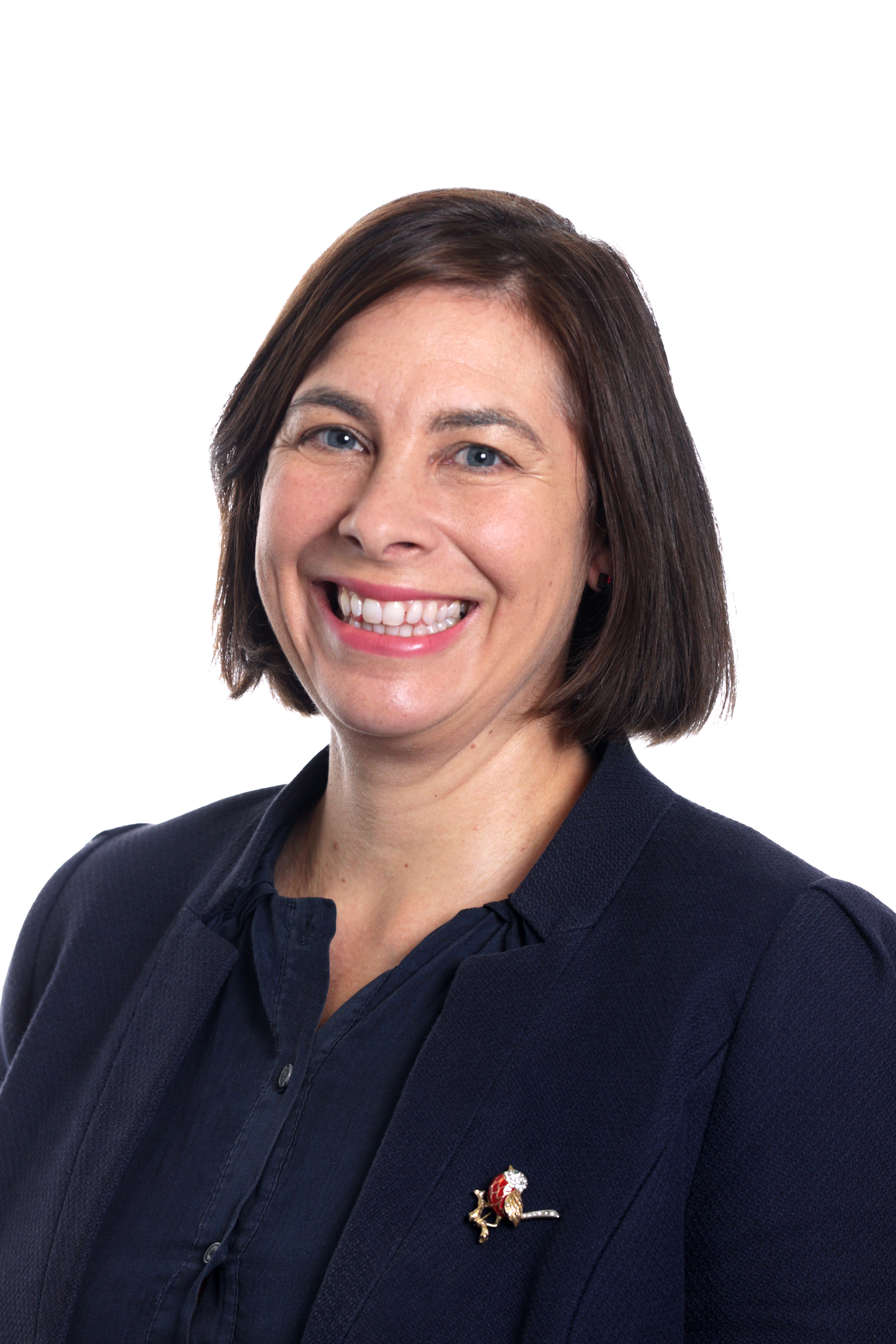
Dr Stephanie Daly is a GP with an interest in dementia and cognition. She has her own cognition clinic providing memory assessments in primary care. Dr Daly is also a researcher and has been part of a team assessing the implementation of blood-based biomarkers for Alzheimer’s disease in primary care and is now focussing her time on a PhD in the same area. She works as a sub-investigator in clinical trials two days a week, is a medical educator for the RACGP, and has lived experience of caring for her parents with dementia.
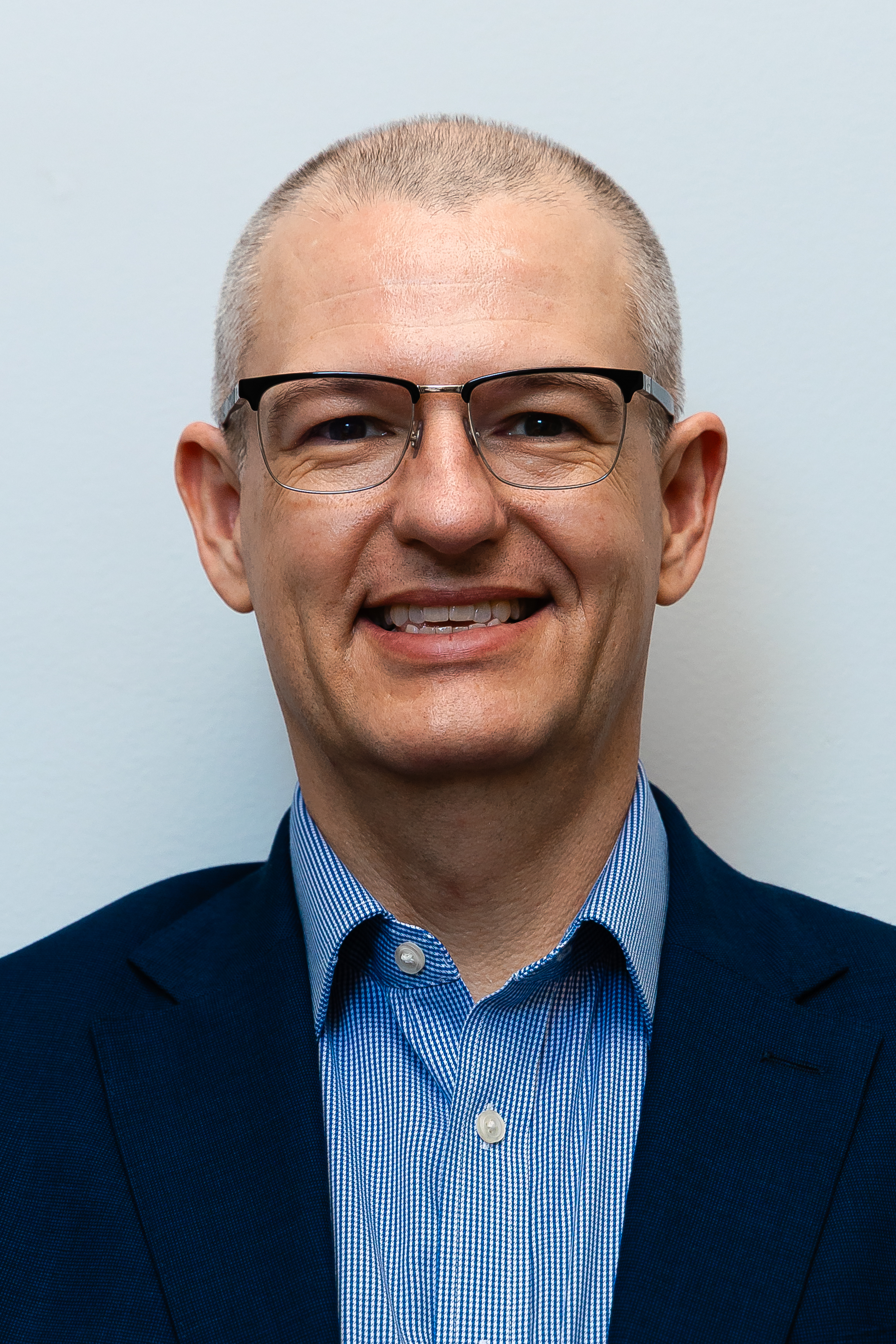
Professor James R. Burrell is a leading cognitive neurologist whose work bridges clinical excellence and cutting-edge research in dementia. He is Professor of Cognitive Neurology at MQ Health and Macquarie University and formerly Head of Neurology at Concord Hospital. His research spans frontotemporal dementia, motor neuron disease, primary progressive aphasia, and atypical dementia syndromes, supported by competitive NHMRC and industry-funded grants. Professor Burrell is also deeply committed to education, supervising research students and contributing to national neurology training programs.
Enrol now and get the latest recommendations on the diagnosis of mild cognitive impairment