

Activity aim
This clinical audit begins with a 2-hour pre-learning activity on the effective diagnosis of mild cognitive impairment. For the audit you will .
Why take part in this program?
- Access a comprehensive pre-learning activity presented by GPs Dr Rebecca Moore and Dr Stephanie Daly and neurologist Professor James Burrell.
- Earn 12.5 CPD hours upon completion.
Inclusion criteria
Patients must fulfil all of the below criteria:
- Aged 50 years and older
- No existing diagnosis of MCI or dementia
- At least one of the following recorded:
- Memory or confusion concerns
- Previous CogDrisk or GPCOG use
- A clinical risk factor: depression, hearing loss, diabetes, hypertension, obesity, high LDL cholesterol, heart disease or previous stroke
- Alternative causes of cognitive impairment, confusion or delirium have been ruled out
*The Australian Absolute Cardiovascular Disease Risk Calculator is available at www.cvdcheck.org.au. High cardiovascular risk is defined as an estimated risk of a cardiovascular event of at least 10% over 5 years.1
Note that clinical conditions that automatically confer high risk include:1
• Moderate to severe chronic kidney disease (sustained eGFR <45 mL/min/1.73 m² and/or persistent uACR >25 mg/mmol (men) or persistent uACR >35 mg/mmol(women)
• Familial hypercholesterolemia
How long should it take?
The program has been designed to take approximately 4-6 weeks to complete. This includes patient recall from your practice, patient consult and program evaluation.
Tips to recruit patients
Recruitment may occur:
- Opportunistically as you consult appropriate patients as part of usual care.
- By active recall.
Boost your Measuring Outcomes CPD hours with this easy to complete clinical audit
Learning outcomes
Presenters
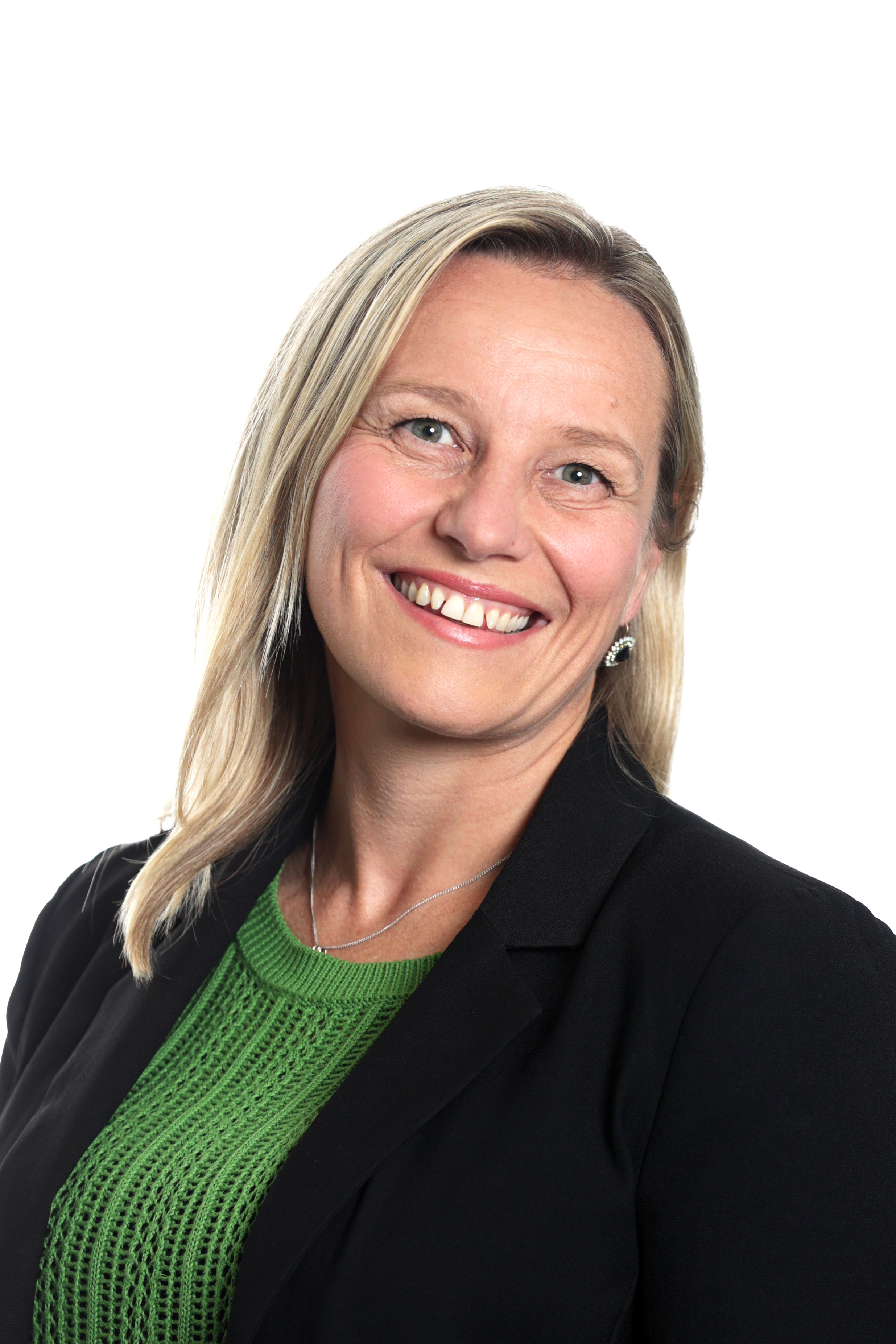
Dr Moore graduated from the University of Adelaide and completed her RACGP fellowship whilst working as an Aviation Medical Officer in the RAAF. She has worked in urgent care and general practice in the UK and completed a Masters degree in dementia from the University of Tasmania in 2024. Dr Moore works as a medical educator and is also involved in dementia research through the University of Melbourne.
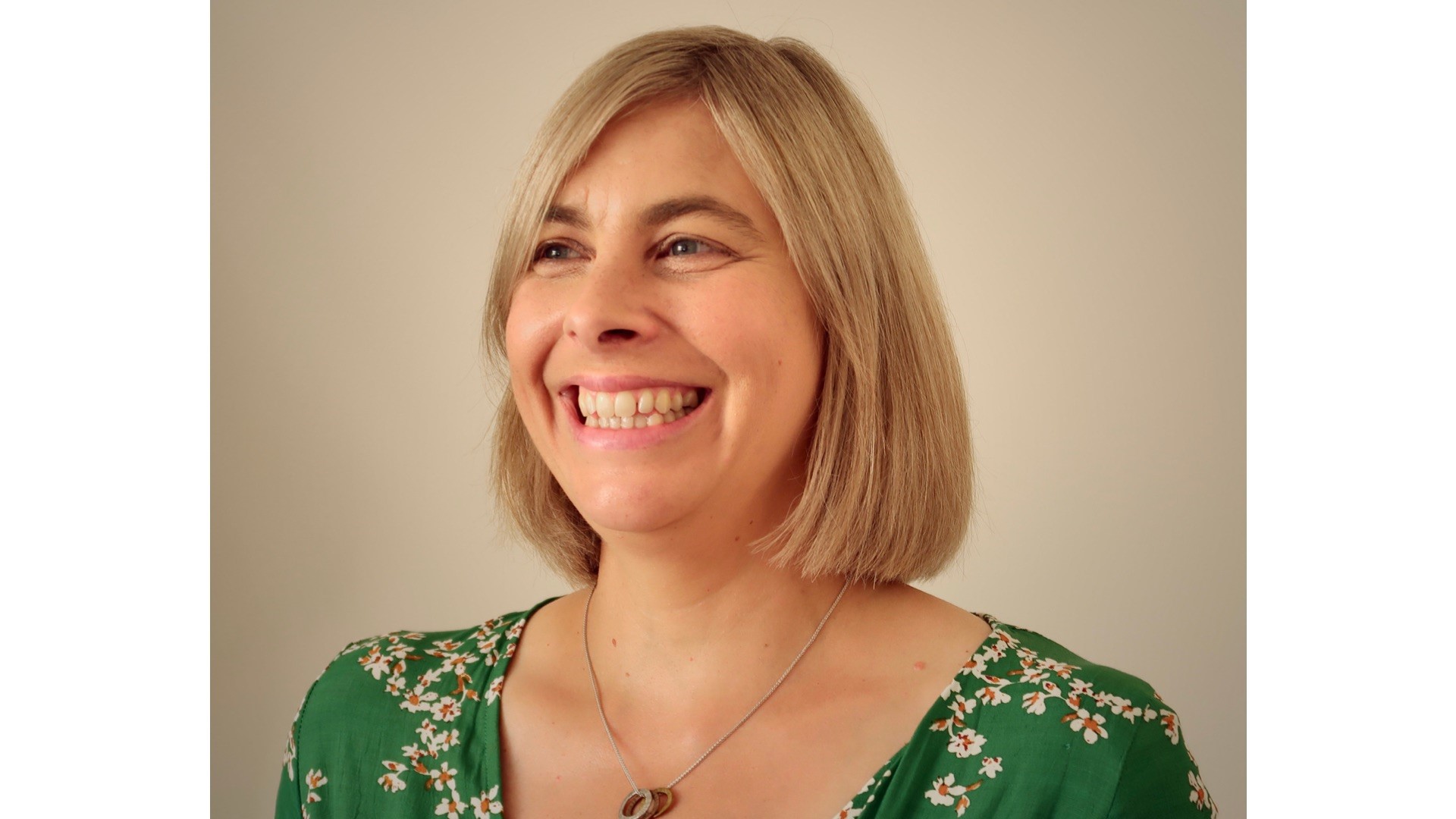
Dr Stephanie Daly is a GP with an interest in dementia and cognition. She has her own cognition clinic providing memory assessments in primary care. Dr Daly is also a researcher and has been part of a team assessing the implementation of blood-based biomarkers for Alzheimer’s disease in primary care and is now focussing her time on a PhD in the same area. She works as a sub-investigator in clinical trials two days a week, is a medical educator for the RACGP, and has lived experience of caring for her parents with dementia.
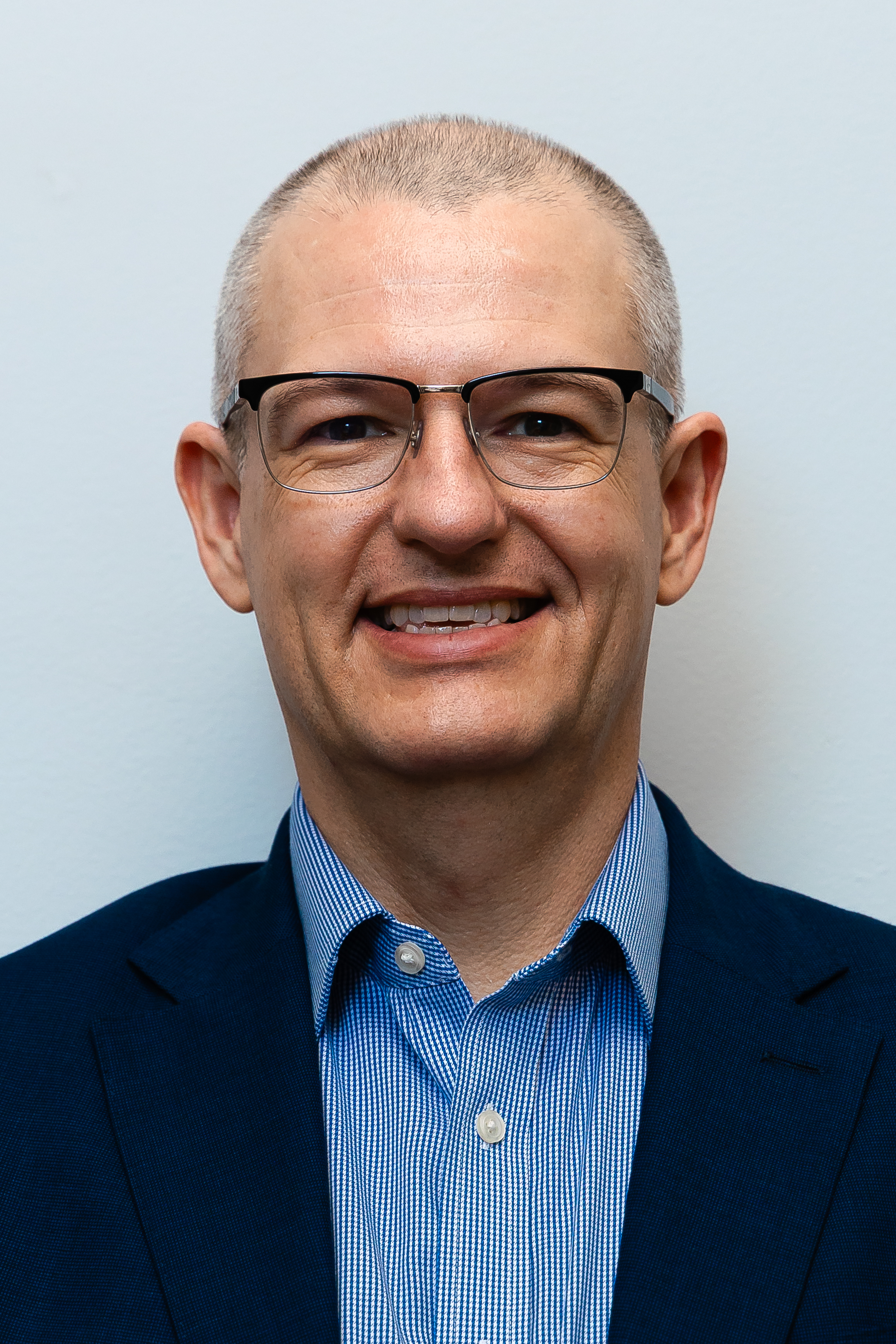
Professor James R. Burrell is a leading cognitive neurologist whose work bridges clinical excellence and cutting-edge research in dementia. He is Professor of Cognitive Neurology at MQ Health and Macquarie University and formerly Head of Neurology at Concord Hospital. His research spans frontotemporal dementia, motor neuron disease, primary progressive aphasia, and atypical dementia syndromes, supported by competitive NHMRC and industry-funded grants. Professor Burrell is also deeply committed to education, supervising research students and contributing to national neurology training programs.

Related content