

Activity aim
This clinical audit begins with a 1-hour pre-learning activity on the use of GLP-1 RAs in type 2 diabetes (T2D). For the audit you will review management of 5 patients with T2D and established cardiovascular disease or high cardiovascular risk, and/or chronic kidney disease, who experience inadequate glycaemic control with, or are unable to take, a SGLT2 inhibitor
Why take part in this program?
- Access a comprehensive pre-learning activity presented by GP A/Prof Ralph Audehm and endocrinologist Dr Ted Wu
- Earn 6.5 CPD hours upon completion.
Inclusion criteria
Patients must fulfil all of the below criteria:
- Aged >18 years
- Type 2 diabetes
- Not currently taking a GLP-1 RA or GIP/GLP-1 RA
- One or more of the following are also present:
- Cardiovascular disease
- High cardiovascular risk (including moderate to severe CKD)*
- Aboriginal or Torres Strait Islander
- SGLT2i is contraindicated or not tolerated, or patient did not achieve a clinically meaningful glycaemic response to SGLT2 inhibitor
- Currently taking metformin and/or a sufonylurea and/or insulin, with inadequate glycaemic response to their glycaemic-lowering medications (ie HbA1c >7%)
*The Australian Absolute Cardiovascular Disease Risk Calculator is available at www.cvdcheck.org.au. High cardiovascular risk is defined as an estimated risk of a cardiovascular event of at least 10% over 5 years.1
Note that clinical conditions that automatically confer high risk include:1
• Moderate to severe chronic kidney disease (sustained eGFR <45 mL/min/1.73 m² and/or persistent uACR >25 mg/mmol (men) or persistent uACR >35 mg/mmol(women)
• Familial hypercholesterolemia
How long should it take?
The program has been designed to take approximately 4-6 weeks to complete. This includes patient recall from your practice, patient consult and program evaluation.
Tips to recruit patients
Recruitment may occur:
- Opportunistically as you consult appropriate patients as part of usual care.
- By active recall.
Boost your Measuring Outcomes CPD hours with this easy to complete clinical audit
Learning outcomes
Presenters

A/Prof Audehm has over 35 years as a full time GP with interest in chronic disease management and quality improvement in general practice. He has close links to the Department of General Practice, University of Melbourne, and participates in research and teaching of medical students.
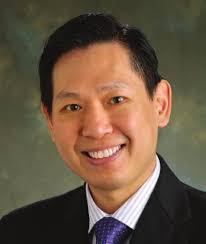
Dr Wu is a Staff Specialist Endocrinologist at The Royal Prince Alfred (RPA) Hospital and a Visiting Medical Officer at Dubbo Base Hospital. As well as clinical diabetes, he has a long term interest in both teaching and research. He is Director of the Health Professional Training and Development Unit within the Diabetes Centre at the RPA, and having been instrumental in establishing the RPA Diabetes Centre. In addition, he is the Director of Physician Training at RPA Hospital and responsible for overseeing the postgraduate education of junior medical officers.

Related content