
Activity aim
This clinical audit begins with a 1.5-hour pre-learning activity which steps you through management recommended by the latest Australian guidelines and guides you through non-invasive assessment in general practice. For the audit you’ll complete five patient consultations and develop a plan tailored to the patient in front of you – whether they are being assessed for MAFLD for the first time or due for recommended repeat testing – to help address liver and cardiometabolic risk with the combination of lifestyle, pharmacotherapy or patient resources appropriate for them.
Why take part in this program?
- Access a comprehensive pre-learning activity presented by Professor Simone Strasser and GP Dr Paige Lanyon-Roberts.
- Earn 7 CPD hours upon completion.
Inclusion criteria
Patients must fulfil all of the below criteria:
- Aged 35 years or older
- Not currently under specialist care for MAFLD or other liver conditions.
- Have recent (if already diagnosed with MAFLD, after their initial diagnosis) pathology results that include AST, ALT and platelet count – this is required to calculate the patient’s FIB-4 score
- Meet at least one of the following:
- Obesity
- Type 2 diabetes
- Abnormal liver blood tests
- Hepatic steatosis documented on imaging, biomarkers or histology, together with overweight
- Two or more metabolic risk factors (central obesity, hypertension, hypertriglyceridaemia, low HDL cholesterol, prediabetes)
How long should it take?
The program has been designed to take approximately 4-6 weeks to complete. This includes patient recall from your practice, patient consult and program evaluation.
Tips to recruit patients
Recruitment may occur:
- Opportunistically as you consult appropriate patients as part of usual care.
- By active recall.
Boost your Measuring Outcomes CPD hours with this easy to complete clinical audit
Learning outcomes
Presenters
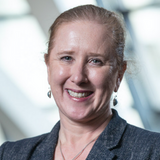
Professor Simone Strasser is Head of Department and Senior Staff Specialist in the AW Morrow Gastroenterology and Liver Centre, and Medical Co-Director of the Australian National Liver Transplantation Unit at Royal Prince Alfred Hospital and the University of Sydney. She is site Principal Investigator on multiple clinical trials of new therapies for patients with liver disease and liver cancer.
She is a Past-President of the Gastroenterological Society of Australia (GESA) and current Chair of the Liver and Intestinal Transplant Advisory Committee of the Transplantation Society of Australia and New Zealand. She is a Board Director and Chair of the Clinical and Scientific Committee of the Liver Foundation, an Australian community organisation to support people living with liver disease.

Dr Lanyon-Roberts is the Founder and Medical Director of MedSurg Weight Loss, a metabolic health and weight management clinic based in Brisbane, Queensland. She holds a RACGP Recognition of Extended Skills (RES) in Obesity Medicine, and has extensive experience across the full spectrum of medical and surgical obesity care. Her clinical approach recognises obesity as a chronic, relapsing medical condition requiring structured, long-term management; integrating comprehensive metabolic assessment, evidence-based pharmacotherapy, metabolic bariatric surgery where appropriate, nutritional and behavioural strategies, and coordinated multidisciplinary support.